
How to Find the Best Affiliate Marketing Niches in 2025
Choosing the right niche is the foundation of every successful affiliate business. Pick the wrong one, and you’ll struggle to grow. Pick the right one, and you set yourself up for long-term income.
How to Find the Best Affiliate Marketing Niches
The key is knowing what makes a niche profitable — strong search demand, clear buying power, and room to scale. In this guide, we’ll walk through exactly how to spot niches that work in 2025 and beyond.
1. Why Niches Matter More Than Ever in 2025
In affiliate marketing, your niche isn’t just a topic — it’s the foundation of your business. Think of it as the lane you choose to run in.
The more focused your lane, the easier it is to attract the right audience, build trust, and turn clicks into commissions.
In 2025, this focus matters more than ever. The online world is crowded with affiliates competing for attention.
Broad categories like “health” or “finance” may look appealing, but they’re too wide and too competitive to break into without serious resources.
What works is narrowing down to a specific group of people with a clear set of needs.
For example, instead of trying to cover all of fitness, you might build content around strength training for busy professionals or nutrition tips for women over 40.
These sharper niches allow you to speak directly to the right people, making your content more relevant and persuasive.
Another reason niches matter now is trust. Consumers in 2025 are more skeptical than ever.
They want to know they’re getting advice from someone who understands their exact situation, not just another general website.
By choosing a defined niche, you position yourself as the go-to resource for that specific audience, which builds credibility and loyalty. And in affiliate marketing, trust is what drives sales.
The bottom line: in today’s market, a niche isn’t just helpful — it’s the difference between blending in with the crowd or standing out as a trusted voice.
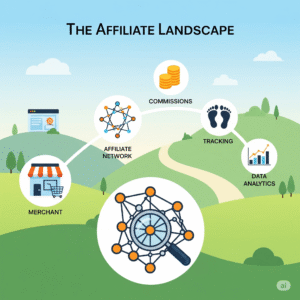
2. The Affiliate Landscape in 2025: What Changed
Affiliate marketing isn’t the same game it was even a couple of years ago. The landscape has shifted, and if you’re still relying on old tactics, you’ll find yourself falling behind.
One of the biggest changes is the rise of AI tools. On the one hand, they’ve made it easier than ever for beginners to create content, research keywords, and design websites.
On the other hand, this means there’s more competition than ever before.
When anyone can launch a site in a weekend, the real advantage comes from carving out a niche and delivering value that generic, AI-written content can’t match.
Consumer behavior has also taken a sharp turn. Today’s buyers are careful, research-driven, and skeptical of hype.
They look for authentic voices and real experiences before making a purchase. A cookie-cutter review isn’t enough anymore.
People want to know why a product matters, how it solves their specific problem, and whether they can trust the person recommending it.
At the same time, industries themselves are evolving. The fastest-growing niches in 2025 are tied to larger shifts in society—like the explosion of subscription-based software, the boom in eco-friendly products, and the rising demand for digital learning.
These aren’t just passing fads. They reflect long-term changes in how people live, work, and spend money.
For affiliates, the message is clear: success in 2025 isn’t about chasing every new tool or trend.
It’s about understanding how the landscape has changed and choosing a niche that taps into these new realities while still aligning with your strengths.
3. Start With Your Passions and Skills
When you’re choosing a niche, it’s tempting to go straight for whatever looks most profitable.
But here’s the truth: if you don’t care about the topic, you won’t stick with it long enough to see results. Affiliate marketing is a long game.
You’ll be writing, researching, and engaging with your niche for months—maybe years. That’s why your passions and skills are the best starting point.
Think about the subjects you naturally talk about with friends, the hobbies you never get bored of, or the problems you’ve already solved in your own life.
Those areas give you an advantage because you’ll create content that feels real, not forced. Audiences can spot the difference between someone who genuinely knows a subject and someone who’s just chasing clicks.
That said, passion alone isn’t enough. It needs to connect with demand.
For example, loving pets is a great start, but narrowing it down to something like healthy diets for senior dogs or pet tech gadgets makes it easier to stand out and monetize.
Similarly, a passion for personal finance can turn into a niche around budgeting for new parents or beginner investing with small amounts of money.
The sweet spot lies where your enthusiasm overlaps with market potential. When you combine genuine interest with proven demand, you get a niche that keeps you motivated while also paying the bills.
4. Spot the Market Trends
Passion gives you energy to start, but trends tell you where the opportunities are headed.
In 2025, affiliate marketing niches shift quickly because consumer interests can change almost overnight.
A niche that’s booming today might be crowded tomorrow, while fresh opportunities are quietly gaining momentum. That’s why spotting trends early is a crucial step in finding the best niche.
The good news?
You don’t need insider connections to see what’s rising. Free tools like Google Trends, Exploding Topics, and AnswerThePublic can show you what people are searching for right now.
Even a quick look at trending hashtags on TikTok or YouTube can reveal what’s catching attention across different age groups.
These insights give you a peek at where audiences are focusing their time and money.
Another powerful way to track trends is by following online communities.
Reddit forums, Facebook groups, and niche-specific Discord channels are goldmines for seeing what problems people are talking about.
When you notice the same questions coming up again and again, that’s a sign of demand waiting to be met.
For example, interest in AI productivity tools has skyrocketed as more people look for ways to save time at work.
Likewise, sustainable living and eco-friendly products have shifted from being niche interests to mainstream buying habits.
These aren’t just buzzwords—they reflect changes in the way people live and spend.
The key is balance. A trend should be exciting, but it also needs staying power.
Ask yourself: is this a fad that will fade in six months, or is it part of a larger shift in consumer behavior? Choosing wisely here helps you build a niche that grows instead of burns out.

5. Check Search Demand
Once you’ve spotted a potential niche, the next step is to check if people are actually searching for it.
Passion and trends are great, but without enough search demand, your content won’t get the traffic it needs to generate income.
Search demand tells you how many people are actively looking for information on your topic. The easiest way to measure this is through keyword research.
Tools like Keywords Everywhere, Ubersuggest, Jaaxy, or Ahrefs give you real numbers on how often people type certain phrases into Google each month.
Even Google Trends can show you if interest is rising, steady, or falling.
When analyzing keywords, aim for a balance. Go too broad, and you’ll compete with huge websites that dominate the results.
Go too narrow, and you’ll run out of things to write about.
For example, “fitness” is far too broad, but “10-minute bodyweight workouts for beginners” is specific, has steady demand, and attracts people with clear intent.
Another thing to consider is seasonality. Some niches peak at certain times of the year.
“Weight loss” searches often spike in January, while “gardening tools” rise in spring. If you rely only on seasonal niches, you’ll see uneven traffic.
The best niches have a mix of evergreen demand (steady year-round) and seasonal boosts you can plan content around.
Checking search demand doesn’t take long, but it prevents you from building a site around a topic nobody’s actually searching for.
When you know people are already looking for answers, your content can meet them halfway—and that’s where traffic turns into sales.
6. Measure Buying Power
Traffic is important, but not all traffic has the same value. Ten visitors who are ready to buy are worth far more than a hundred visitors who are only browsing.
That’s why you need to look beyond search demand and measure the buying power of your niche.
The simplest way to gauge this is by studying the keywords people use. Words like “best,” “review,” “vs,” “cheap,” or “buy” signal strong intent to purchase.
Someone searching “what is keto” might just be curious, while someone typing “best keto meal delivery service” is much closer to pulling out their wallet.
A good niche will have plenty of these high-intent searches.
Another way to check buying power is by looking at the products themselves. Are people in this niche spending real money?
A niche filled with free apps or $5 products won’t bring in much commission. On the other hand, niches with software subscriptions, premium courses, or health products usually attract buyers willing to invest.
You should also consider whether the niche naturally leads to repeat purchases or recurring payments.
A one-time sale is good, but a subscription that pays you every month is even better. Think of SaaS tools, membership sites, or consumable products like supplements or pet food.
In short, buying power is about connecting demand with profitability. A niche may be popular, but if the audience isn’t willing—or able—to spend, you’ll struggle to earn.
The best niches combine strong interest with strong wallets.
7. Analyze Competition the Smart Way
Competition isn’t something to fear—it’s actually a good sign. If other affiliates are already making money in a niche, it proves there’s demand. The trick is not avoiding competition altogether, but learning how to compete smartly.
Start by looking at the websites that already rank for your niche keywords. Tools like Ahrefs, SEMrush, or Ubersuggest can show you who’s on page one and how strong their sites are.
If the results are filled with massive authority sites like Healthline, NerdWallet, or Forbes, breaking through will take time.
But if you see smaller blogs or niche sites ranking, that’s a green light—there’s room for new voices.
Next, study what competitors are doing well and, more importantly, where they’re slipping. Are their articles outdated? Do they ignore specific subtopics?
Is their content shallow or stuffed with ads? These gaps are opportunities for you to create something better—deeper, fresher, and more helpful.
For example, “keto diet” may feel overcrowded, but drill down further and you might find fewer people covering keto for busy parents or keto-friendly meal plans on a budget.
These angles let you step into a crowded niche without getting lost in the noise.
Smart competition analysis isn’t about avoiding tough markets. It’s about identifying your angle—your unique way to serve the audience better than what’s already out there.
If you can offer more value, search engines and readers alike will reward you.
8. Run the Scalability Test
A niche might look promising today, but the real question is: can it grow with you?
If your chosen niche is too limited, you’ll quickly run out of content ideas or product options to promote. That’s why scalability—the ability for a niche to expand over time—is a key test before you commit.
Think of your niche as a tree. The main niche is the trunk, and the subtopics are the branches. The stronger and broader the trunk, the more branches you can grow later.
For example, a site about standing desks could expand into remote work essentials, office ergonomics, or productivity hacks.
But a site focused only on “red standing desks” has nowhere to go once you’ve written about it.
Scalability also matters for building long-term income. Evergreen niches like health, personal finance, or education allow you to pivot within the category as trends shift.
Seasonal or fad-driven niches may deliver quick wins but often dry up once interest fades.
In 2025, the best niches balance both: they offer steady year-round demand with room to ride emerging trends.

Ask yourself:
Can I create at least 50–100 pieces of content in this niche?
Are there multiple products or programs I can promote?
Does this niche connect to larger categories I could branch into later?
If the answer is yes, you’ve found a niche that can scale with your effort and keep rewarding you for years—not just months.
9. Evaluate Affiliate Programs
Even the best niche won’t pay off if there aren’t strong affiliate programs to support it. Before you commit, take time to research what’s available in your chosen space.
The quality of the programs you join will directly affect how much you can earn and how easy it is to scale.
Start by looking at commission rates. Some programs, like Amazon Associates, offer a wide range of products but pay smaller percentages.
Others—especially in software, finance, and online education—can pay anywhere from 20% to 50% per sale.
High-ticket items or subscription-based products often bring in far more long-term income than low-priced, one-time purchases.
Next, consider recurring commissions. These are programs where you continue to earn as long as the customer keeps paying.
SaaS tools, membership sites, and subscription boxes are prime examples. Instead of chasing new buyers all the time, recurring programs let you build a steady base of income month after month.
Don’t overlook the reputation and support of the affiliate program. Does the company have a history of paying on time?
Do they provide marketing materials, tracking tools, or dedicated affiliate managers? A reliable program makes your job easier and protects your earnings.
Lastly, check how well the products fit your audience. Promoting something just because it pays well will hurt your credibility.
The best affiliate programs are those that solve real problems for your niche and line up naturally with the content you create.
Choosing the right affiliate programs ensures your niche isn’t just popular—it’s profitable.
10. Examples of Niches With Potential in 2025
By now, you’ve seen how to evaluate a niche—passion, trends, search demand, buying power, competition, scalability, and affiliate programs. To make this practical, let’s look at a few niches showing strong potential in 2025.
Think of these as inspiration, not a fixed list. The goal is to help you see the kinds of opportunities available, so you can decide what fits your own strengths.
1. AI and Productivity Tools
The rise of AI isn’t slowing down. From writing assistants to task managers, people are searching for ways to save time and work smarter.
Many of these tools run on monthly subscriptions, which means recurring affiliate income.
2. Eco-Friendly Living
Sustainability is no longer just a buzzword—it’s becoming a lifestyle. Products like reusable home goods, solar gadgets, and eco-friendly fashion are gaining traction.
Consumers want solutions that align with their values, and affiliates can bridge the gap by showcasing trusted products.
3. Digital Education and Skill Building
More people are learning online, whether it’s coding, language learning, or personal development. Promoting online courses, learning platforms, and certification programs taps into a growing, global market.
4. Pet Tech and Wellness
Pet owners spend generously on products that keep their furry friends healthy and happy. Smart collars, GPS trackers, and organic pet foods are becoming popular.
It’s a niche full of passionate buyers who tend to be loyal once they find a trusted resource.
5. Health Optimization
Not just traditional health, but focused areas like sleep improvement, mental wellness, or biohacking.
People are investing in their well-being with supplements, apps, and devices designed to improve quality of life.
Each of these niches ties into larger shifts in society. They’re not just temporary fads—they’re reflections of how people live, work, and spend today.
Your job is to decide which one connects with your interests and apply the steps we’ve covered to make sure it has long-term profit potential.
11. Common Mistakes When Choosing a Niche
Finding the right niche can feel exciting, but it’s also easy to make missteps that slow down your progress.
Many new affiliates fall into the same traps, and avoiding them will save you time and frustration.
1. Chasing money only
It’s tempting to jump into a niche just because it looks profitable. The problem is, if you don’t care about the topic, you’ll struggle to stay consistent.
Audiences can sense when you’re not genuinely engaged, and your content will suffer.
2. Going too broad
Broad niches like “health” or “finance” seem appealing, but they’re so competitive that breaking through is extremely difficult.
Narrowing down to a specific angle—like “budgeting for young families” or “nutrition for seniors”—makes it much easier to connect with a targeted audience.
3. Going too narrow
On the other hand, if your niche is too small, you’ll run out of content ideas or find there aren’t enough affiliate programs to promote. A topic like “red yoga mats” won’t give you room to grow.
4. Ignoring the audience
Some affiliates focus too much on products and not enough on people.
Remember: your niche is defined by the audience you serve, not the products you promote. The stronger your connection to their needs, the easier it is to recommend solutions.
5. Skipping research
Choosing a niche without checking demand, competition, or buying power is like building a house without a foundation. Take the time to analyze the data—your future self will thank you.
By steering clear of these common mistakes, you’ll choose a niche that’s not just profitable, but sustainable.
12. Putting It All Together
By now, you’ve seen that choosing the best affiliate marketing niche isn’t about luck or guesswork—it’s about following a clear process.
Each step gives you a checkpoint to make sure the niche you pick isn’t just interesting, but also profitable and sustainable.
Start with your passions and skills, because that’s what will keep you motivated long term. Then, watch the market trends to see where attention is heading.
Back that up by checking search demand to confirm people are actually looking for solutions in your chosen space.
From there, measure the buying power—are people spending real money in this niche? Next, look at the competition.
Don’t be scared off by it, but analyze how you can position yourself differently.
Run the scalability test to make sure your niche has room to grow, and finally, evaluate the affiliate programs available to confirm you’ll have good products and commissions to work with.
When you put all these steps together, you create a reliable framework for choosing a niche that fits both you and the market.
It removes the guesswork and helps you make decisions based on strategy, not just gut feeling.
At the end of the day, the best niche is where your interest overlaps with proven demand, strong buying intent, and solid affiliate opportunities.
If you use this checklist, you won’t just find “a niche”—you’ll find the right one to build a business that lasts.
Summary
Finding the best affiliate marketing niche in 2025 isn’t about chasing the latest fad or copying what everyone else is doing.
It’s about making smart, informed choices that balance your interests with real market opportunities.
You start by aligning with your passions and skills, because those are what keep you motivated over the long haul.
Then you evaluate trends, search demand, and buying power to make sure your niche has both attention and profit potential.
Competition should be viewed as a sign of opportunity—just analyze it carefully and look for gaps where you can add more value.
From there, run the scalability test to ensure your niche can grow, and confirm there are strong affiliate programs with commissions worth your effort.
When you follow these steps, you’ll avoid common mistakes like going too broad, too narrow, or picking a niche just for money.
Instead, you’ll build your affiliate business on a foundation that combines audience needs, evergreen demand, and long-term profitability.
The right niche isn’t just where the money is—it’s where your knowledge, interest, and market demand intersect.
That’s the sweet spot for building a sustainable affiliate business in 2025 and beyond.
🔍 Pros & Cons of Finding the Best Affiliate Marketing Niches in 2025
✅ Pros
- Increased income potential in untapped or trending markets
- More targeted audiences = higher conversion rates
- SEO advantage if you start early in emerging niches
- Less competition in newer niche segments
- Opportunities to build authority as a niche expert
⚠️ Cons
- Trendy niches may fade quickly
- Requires ongoing research to stay ahead
- Potential risk of low traffic if niche is too specific
- Affiliate programs may be limited or unreliable
- May need to educate your audience if niche is new
Frequently Asked Questions
Picking the right niche sets the foundation for your success. A good niche gives you a clear audience, less competition, and strong buying potential. The wrong one can leave you stuck with low traffic and poor conversions.
A profitable niche in 2025 has three key things: steady or growing search demand, high buying power, and products or services that solve real problems. If your niche checks those boxes, it’s a strong pick.
You can use keyword tools like Jaaxy, Google Keyword Planner, or SEMrush. Look for consistent searches every month and long-tail keywords that people are typing in. This shows real interest from buyers.
Starting narrow is usually best. It helps you stand out and build authority faster. Once you’ve established your site and audience, you can branch out into broader topics within your niche.
Check if there are multiple products, services, and subtopics you can cover. A scalable niche grows with your site, giving you room to expand your content and income over time.
Ready to Put Your Niche Into Action?
Turn Your Niche Idea Into Income
Finding the right niche is just the first step. With Wealthy Affiliate, you get a free domain name, step-by-step basic training, and access to a supportive community. Best of all — it’s completely free to start and no credit card is required.
Start Free with Wealthy AffiliateI would much appreciate it if you could kindly leave your comments and questions below.
Thank You For Stopping By Once More
Thanks for reading my article
Till The Next Time
Elke 😀