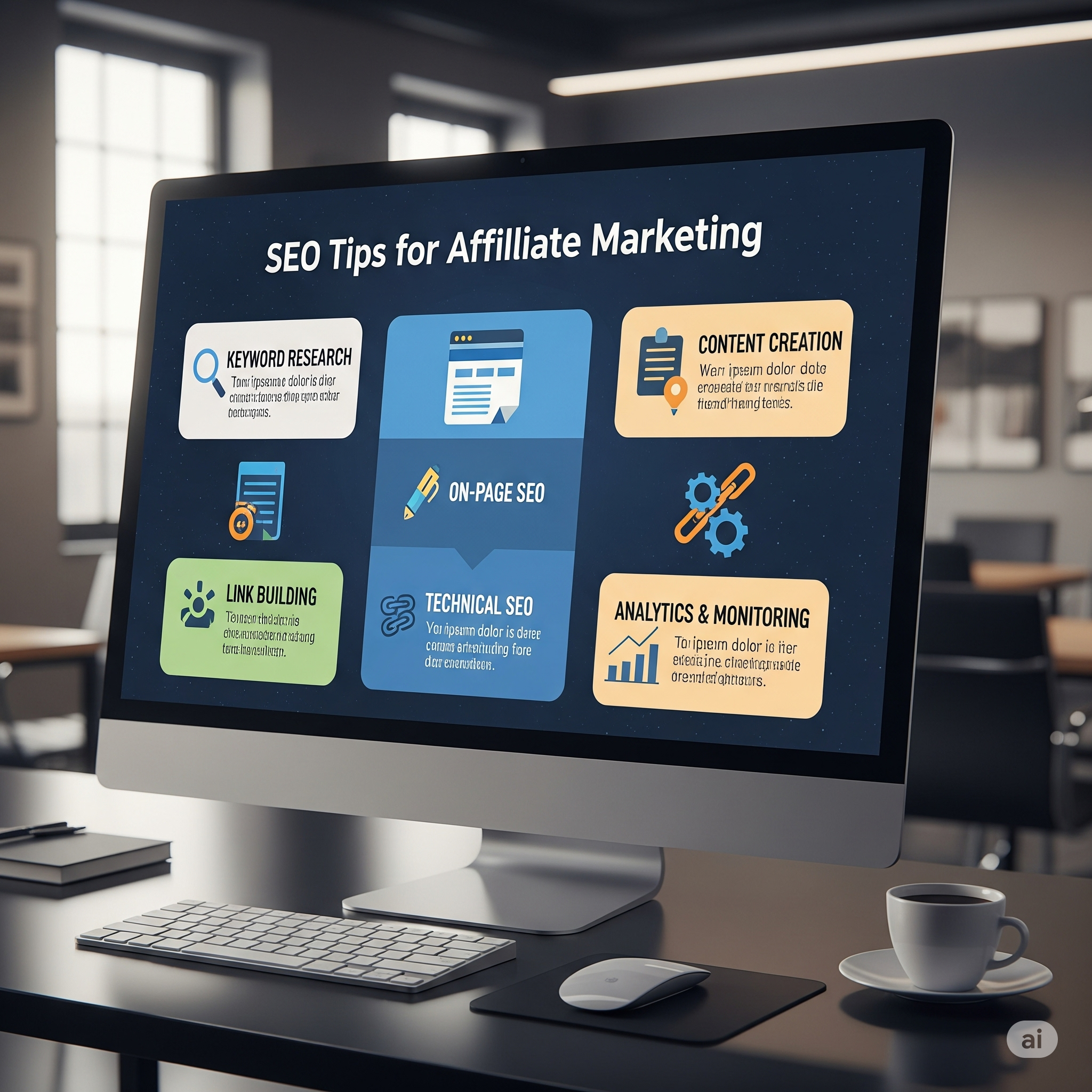
✅ 15 Proven SEO Tips For Affiliate Marketing In 2025
Proven SEO tips are the backbone of long-term traffic—whether you’ve been blogging for years or just started your affiliate marketing journey.
And in 2025, that’s still the case. But let’s be honest—SEO isn’t what it used to be back in 2022.
Google’s gotten smarter, the competition is tougher, and today’s readers expect more value, delivered faster. That doesn’t mean SEO is dead—not even close. It just means we need to adapt.
If you’re ready to take your affiliate blog to the next level, here are 15 SEO tips I’ve personally found helpful, and you can start using them today to rank higher and earn more.
1. Understand What People Really Want When They Search
Keyword research is important, but it’s only the beginning. These days, if you’re not matching the real intent behind a search, your content won’t perform—no matter how well it’s optimized.
Ask yourself: What is the person behind this search really looking for? Are they looking to buy something, compare options, or just get information?
For example, someone searching “best web hosting for beginners” likely wants a list of hosting providers, not a technical breakdown of server speeds. Always write with the reader’s goal in mind—not just the keyword.
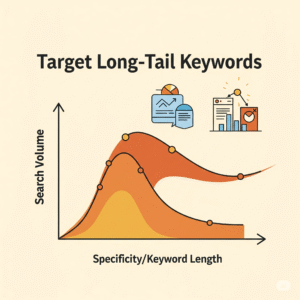
2. Target Long-Tail Keywords with Real Buying Potential
Going after high-competition keywords is tempting, but in most cases, it’s a waste of time—especially if your site is still growing.
Long-tail keywords may get fewer searches, but they’re more specific and usually come with a higher chance of converting.
Think phrases like “best budget microphone for YouTube beginners” instead of just “microphone.”
You’ll face less competition and attract readers who are closer to making a purchase. Tools like Jaaxy, Ubersuggest, and Google’s own autocomplete can help you find these goldmines.
3. Make Your Content Snippet-Worthy
Ever notice those boxed answers that pop up at the top of search results? That’s called a featured snippet, and you want your content to be there.
To do this, format your content clearly. Use headers, numbered lists, bullet points, and short answer paragraphs that directly answer a common question.
For example, if your post includes a list of “top SEO tools for affiliates,” make that section super clear so Google can pull it easily.
A well-structured article increases your odds of getting featured, which boosts traffic even if you’re not the #1 result.

4. Build E-E-A-T into Everything You Publish
In case you missed the update, Google now includes an extra “E” in its E-E-A-T guideline: Experience.
That means it values firsthand knowledge just as much as expertise or trustworthiness. So don’t just talk about a product—share your real experience with it.
Show readers you’ve used it, what worked, and what didn’t.
Add an author bio, link to helpful sources, and keep your content honest. Google wants to rank content that sounds like it’s coming from a real person—and your readers will appreciate that too.

5. Speed Up Your Site or Lose Rankings
Nobody likes a slow website. In fact, Google uses page speed as a ranking factor.
If your pages are taking forever to load, especially on mobile, you’re losing traffic before people even see your content.
Use free tools like PageSpeed Insights or GTmetrix to see how your site performs. Compress images, switch to a fast theme, and use caching tools like LiteSpeed Cache or WP Rocket.
If you’re using a host like Wealthy Affiliate or SiteGround, they usually offer built-in options to help with this.

6. Use Topic Clusters to Build Authority in Your Niche
Instead of creating a bunch of unrelated blog posts, focus on building topic clusters. These are groups of related articles that all support one main pillar page.
For example, if you have a main article about “How to Start Affiliate Marketing,” write related posts like “Best Affiliate Programs for Beginners,”
“How to Choose Your Niche,” and “Affiliate Marketing Mistakes to Avoid,” and link them all together. This helps Google see you as an authority on that subject and improves the SEO of all linked pages.
7. Keep Your Old Content Fresh and Updated
You already know this post is a great example—we’re updating a 2022 article to stay relevant in 2025. That’s the mindset to keep going forward.
Give Your Old Blog Posts a Health Check: Ask These 3 Smart Questions
Does this still offer accurate info?
Are the tools still recommended?
Are there any broken links?
Updating posts with new stats, insights, or even a better title can help them climb back up the rankings.
Google loves fresh, useful content, and your audience will too.

8. Make Your Titles Stand Out and Get Clicked
You can be ranking #3 and still get more traffic than the #1 result—if your headline grabs attention. Use numbers, emotional words, or the current year to make your title more clickable.
Think “15 SEO Tips for Affiliate Marketers (2025 Edition)” instead of just “SEO Tips.”
A/B test titles when possible using tools like AIOSEO or Rank Math to see which one gets more clicks.
9. Keep Your URLs Short and Keyword-Focused
Long, messy URLs filled with numbers or irrelevant words won’t help you or your reader. Instead, stick to clean URLs that include your main keyword.
For this article, for example, a great slug would be: /seo-tips-affiliate-marketing-2025. It looks professional, it’s easier to share, and Google prefers it.
10. Build Internal Links the Right Way
Internal links are one of the easiest ways to improve your SEO—but most people either forget them or do them wrong.
Link to related articles naturally within your content using relevant anchor text.
Put Jaaxy link
For example, if you mention keyword research, link to your post on that topic with something like: “Here’s how I do keyword research using Jaaxy.
This improves navigation and helps search engines understand your site structure.
11. Focus on Fewer, Better Backlinks
Not all backlinks are created equal. One link from a quality site in your niche is worth more than 50 from random directories.
Instead of chasing links, build them by writing guest posts, contributing to forums, answering questions on Quora or Reddit, or collaborating with other bloggers.
You can also create linkable assets like stats roundups, infographics, or case studies. These get shared—and linked to—naturally.
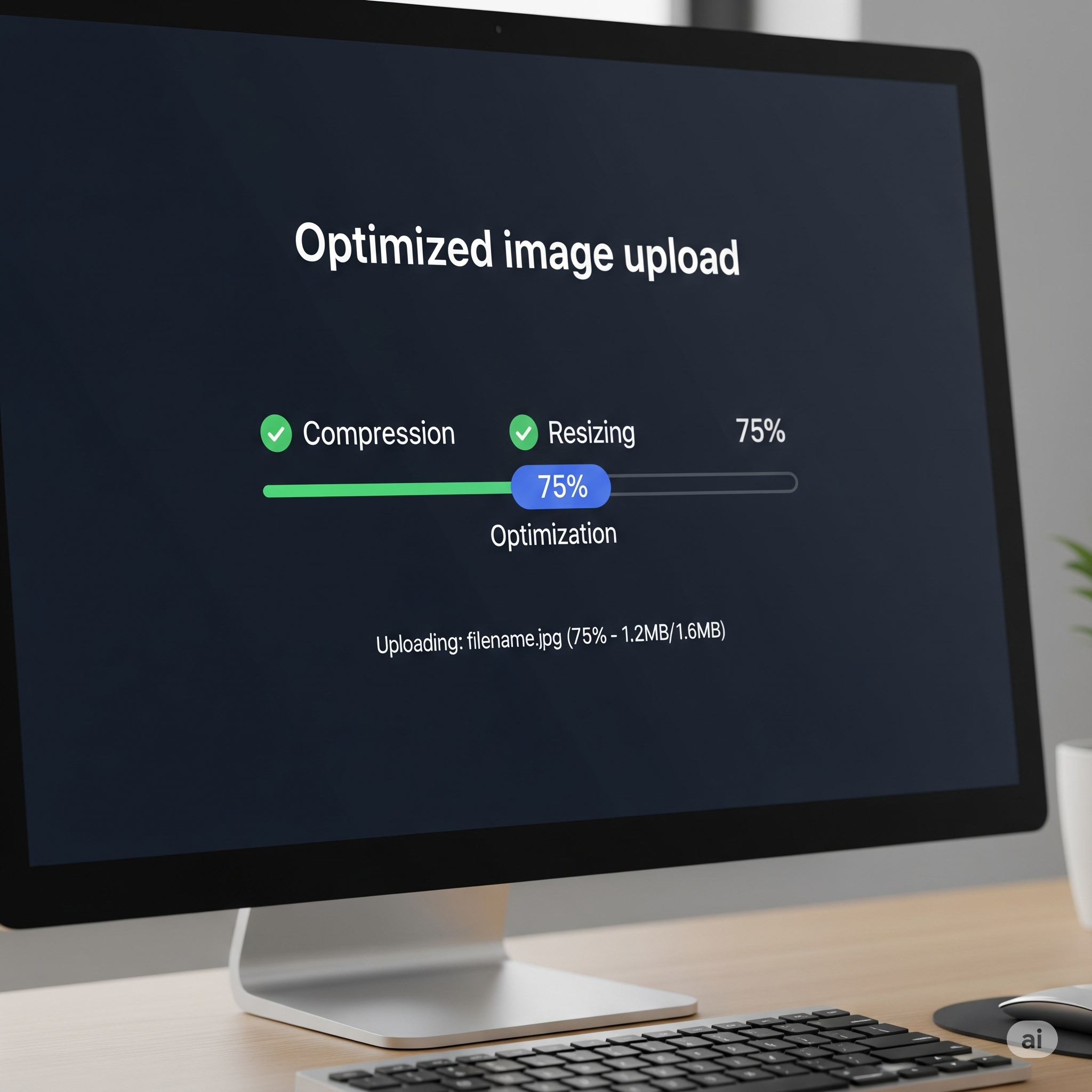
12. Optimize Every Image You Upload
SEO isn’t just about text. Images matter too.
Rename your images with relevant filenames before uploading (e.g., “affiliate-marketing-tools-2025.jpg” instead of “IMG_1234.jpg”).
Always add alt text that describes the image in plain language.
It improves accessibility, helps with image search rankings, and gives Google more context about your page.
13. Design with Mobile in Mind First
Most of your visitors are browsing on their phones. If your site isn’t easy to use on a small screen, they’ll bounce—and your rankings will suffer.
Use responsive themes, make sure your font is readable, and avoid popups that are hard to close. It’s a small detail, but one that can make or break your user experience.
14. Use Schema Markup to Enhance Your Listings
Schema helps your content show up in rich results on Google. That means things like review stars, FAQ dropdown, or even how-to steps.
You don’t need to code anything—plugins like Rank Math or Yoast SEO make adding schema to your blog posts super simple.
If you’re writing reviews, be sure to include “Review” schema.
For Q&A posts, add “FAQ” schema. It gives you an edge in search.
15. Use Google Search Console Like a Daily Dashboard
Search Console is completely free and incredibly useful.
It shows you what keywords your posts are ranking for, where you’re getting impressions but no clicks, and which pages are underperforming.
Use this data to find new keyword ideas, update low-CTR titles, or fix content that’s slipping in rankings. It’s your best friend for tracking real-time SEO performance.

Summary
SEO isn’t magic. It’s a collection of smart habits that build trust with both Google and your audience.
If you’re creating helpful content, keeping it fresh, optimizing for mobile, and showing your real experience—you’re already doing better than half the competition.
These 15 tips aren’t quick hacks. They’re proven strategies that grow over time. So stay patient, stay focused, and keep serving your readers well.
That’s the kind of affiliate business Google wants to reward—and the kind that truly lasts.
Pros and Cons
✅ Pros
✔ Actionable Tips for 2025
The advice is updated and aligned with the latest SEO trends, including Google’s focus on E-E-A-T and mobile-first indexing.
✔ Beginner-Friendly Yet Insightful
The tone and explanations are easy to follow for new affiliate marketers, but still packed with useful takeaways for experienced bloggers.
✔ Encourages Real Experience Over Fluff
The guide emphasizes authenticity and trust—what both readers and search engines are truly looking for in 2025.
✔ Covers On-Page, Off-Page, and Technical SEO
From keyword strategy to backlinks and schema markup, the article touches on all the core areas needed for better rankings.
✔ Internal Linking Opportunities
The content is designed to naturally link out to other posts on your site, strengthening SEO and user engagement across your blog.
❌ Cons
✖ May Feel Long for Casual Readers
At over 2,500 words, some readers may not finish the entire article unless they’re already committed to learning SEO.
✖ Requires Some Tool Familiarity
References to tools like Jaaxy, LiteSpeed, and Rank Math may confuse complete beginners who haven’t used them before.
✖ No Visuals Included Yet
The post is text-heavy. Adding screenshots, icons, or a simple infographic would make it more visually engaging.
✖ Doesn’t Dive Deep into Analytics
While Search Console is mentioned, advanced SEO analysis tools like GA4 or Ahrefs aren’t covered in detail.
✖ Generalized Tips May Need Tailoring
Every niche is different. Some of these tips may need to be adjusted depending on the audience or affiliate model used.
FAQ
Q: What’s the most important SEO tip for affiliate marketers in 2025?
A: Focus on search intent. If your content doesn’t match what the searcher is really looking for, it won’t rank well—no matter how well optimized it is. Think beyond keywords and aim to genuinely answer the reader’s question or help them make a decision.
Q: How long does SEO take to start showing results?
A: It depends on your niche, competition, and how consistent you are. Most affiliate sites begin to see early SEO results within 3–6 months, but the real growth tends to happen after a year of steady content, optimization, and link-building.
Q: Do I need expensive SEO tools to succeed? A: Not at all. There are plenty of free or low-cost tools that work great, like Google Search Console, Jaaxy’s free trial, and Ubersuggest. You can always upgrade as your site grows, but starting simple is totally fine.
Q: How often should I update old blog posts? A: At least once a year, or sooner if the topic is competitive or fast-moving. Look for outdated tips, broken links, and opportunities to improve keywords or add new internal links. Even small updates can boost rankings.
Q: Is SEO still worth it compared to social media or paid ads? A: Absolutely. SEO is the most consistent, long-term traffic source for affiliate marketers. It may take more time upfront, but once your pages rank, you can earn traffic and income passively—without paying for every click like with ads.
Need help with SEO and building your affiliate website?
You don’t have to figure it all out on your own. If you’re ready to build a real online business with the right tools, training, and support.
Try out Wealthy Affiliate’s free starter plan
It’s 100% free to join, no credit card needed. This is where I began, and I still use it today. Take a look and see if it’s right for you to no cost to you.
I would much appreciate it if you could kindly leave your comments and questions below.
Thank You For Stopping By Once More
Thanks for reading my article
Till The Next Time
Elke