How to Build Honest Affiliate Income Without the Hype
From Curiosity to Clicks
You know that moment when you’re just browsing the internet and stumble across a big promise—“Make money online from home!” I saw that too. And I rolled my eyes at first.
But the idea stuck with me.
I wasn’t looking for a shortcut or a golden ticket. I just wanted something real. Something I could build that would give me a bit more freedom and help ease the financial pressure.
So I kept reading. One thing led to another, and before I knew it, I was knee-deep in blog posts, training videos, and brainstorming niche ideas.
Affiliate marketing kept popping up as one of the most beginner-friendly ways to start earning online.
I didn’t know if I could pull it off—but I was curious enough to try.
My First Win: A Click That Changed Everything
I’ll never forget the day I earned my first commission. It wasn’t much—just a couple of dollars—but it was mine. And it felt huge.
Why? Because someone read my article, clicked my link, and bought something. That meant everything I was learning and doing was actually working.
Before that moment, I had written blog posts that no one seemed to read, wrestled with SEO terms I barely understood, and questioned myself constantly.
But that tiny commission was proof that I was on the right path.
And once you see that first bit of success? It lights a fire.
You want to learn more. Do more. Get better.
Step 1: Choosing a Niche That Feels Right
I started by picking a topic I actually cared about—not just what was trending or what someone else said was “profitable.”
This decision turned out to be a game-changer. See, when you’re building an affiliate site, you’re not just tossing up a few links and hoping for the best.
You’ll be writing blog posts, answering questions, researching keywords, and connecting with your audience week after week.
Try For Free
And let me tell you—if you don’t enjoy the topic, it starts to feel like dragging yourself through mud.
That’s why choosing a niche that genuinely interests you is so important.
It doesn’t need to be your life’s passion, but it should be something you like enough to talk about, learn more about, and help others with.
When you enjoy the subject, creating content feels more like sharing than selling. The research becomes interesting instead of overwhelming.
And best of all, your personality shines through—making it easier to build trust with your readers.
For me, that made everything smoother.
I actually looked forward to writing. And because I cared, my content naturally became more helpful—which, in the long run, is what brings in traffic and clicks.
Bottom line? Choose something that lights a little spark in you. It’ll keep you going long after the excitement of “starting something new” wears off.
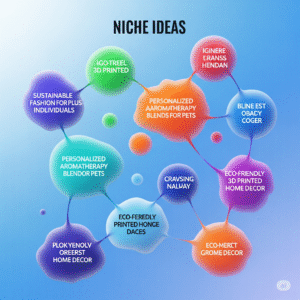
A good niche ideas:
✅ Personal Development
Ideas within the niche:
- Time management tips
- Goal-setting journals or planners
- Confidence-building tools
- Christian personal growth
✅ Health & Wellness (non-medical)
Ideas within the niche:
- Stress relief and relaxation
- Natural remedies
- Home workouts for beginners
- Healthy habits for busy people
✅ Frugal Living & Budgeting
Ideas within the niche:
- Grocery savings tips
- Debt-free journey
- Budgeting tools
- Simple meal planning
✅ Christian Living & Faith-Based Topics
Ideas within the niche:
- Bible study tools
- Christian parenting
- Daily devotionals
- Faith + business encouragement
✅ Tech for Non-Techies
Ideas within the niche:
- How to use AI tools (like ChatGPT!)
- Beginner’s tech tutorials
- Easy website building tips
- Best tools for online business
✅ Side Hustles & Work-from-Home Ideas
Ideas within the niche:
- Freelancing for beginners
- Selling digital products
- Print-on-demand
- Passive income ideas
✅ Minimalism & Simple Living
Why it works: Appeals to people wanting to slow down, save money, and declutter life.
Ideas within the niche:
- Capsule wardrobe guides
- Decluttering your home
- Simple living challenges
- Minimalist budgeting
✅ Hobby Niches
Ideas within the niche:
- Gardening for beginners
- Pet care (like training dogs naturally)
- Photography tips
- Baking from scratch
- DIY crafts or upcycling

Step 2: Learning the Basics of Affiliate Marketing
When I first started, I had to understand what affiliate marketing actually was. In simple terms, it’s promoting someone else’s product and earning a commission when someone buys through your unique link.
Sounds simple enough, but there’s more to it than just sharing links.
The next step was learning how those affiliate links work.
They’re special tracking links that connect your content to the product, letting the seller know you referred the customer.
Without them, you don’t get credit—or paid—for the sale.
Then I had to choose the right affiliate program. I didn’t go for the flashy ones promising high payouts.
I looked for trusted, beginner-friendly platforms like Amazon Associates and other affiliate programs that matched my niche. If you’re in a specific topic, there’s usually a relevant program out there.
Of course, none of this works without a home base—so I built a simple website. Nothing fancy.
Just a place where I could share helpful content and naturally include my affiliate links in posts like reviews, how-to guides, and product comparisons.
But before I could write anything, I had to get to know my audience. Who was I trying to help? What were they struggling with?
Once I had a clear picture of that, it became easier to create useful content that actually spoke to their needs.
Then came one of the biggest game-changers: learning SEO, or search engine optimization.
I didn’t need to become an expert, but just knowing how to use keywords and structure blog posts so Google could find them made a huge difference.
Keyword research helped me write about topics people were already searching for, which meant more traffic over time.
As I wrote content, I made sure to always keep it honest and helpful. I didn’t try to “sell”—I focused on solving problems.
And something important I didn’t ignore: I always disclosed when I used affiliate links. It’s just the right thing to do. People trust you more when you’re upfront.
Finally, I realized that affiliate marketing isn’t something you learn once and forget. Things change—search engines, tools, programs.
So I kept learning, experimenting, and adjusting as I went. It’s a journey, not a quick fix.
And honestly? It felt like learning a new language at first. But I took it one step at a time. I watched tutorials, asked questions, and gave myself permission to make mistakes along the way.

Step 3: Writing Content That Helps
That meant writing blog posts that:
- Answer real questions
- Share honest product reviews
- Offer step-by-step how-to guides
No fluff. No hype. Just useful content with a personal touch.
That became my focus. I didn’t try to sound like a salesperson—I wrote like I was talking to a friend.
If I used a product, I shared what I liked, what I didn’t, and who it might actually help. If I figured something out the hard way, I wrote it down so someone else wouldn’t have to struggle like I did.
And the cool part? Google loves that kind of content. They’re not looking for keyword-stuffed nonsense—they want real, human answers to real, human questions.
As I kept publishing helpful blog posts, I started to see a shift. My site slowly climbed in the search results.
More people were visiting, staying longer, and trusting what I had to say. Some even emailed me to say thank you.
That’s when I realized: this isn’t just about clicks and commissions—it’s about connection. And when you focus on helping first, the income starts to follow.
Step 4: Staying Consistent (Even When It’s Quiet)
This was the hardest part—showing up when I wasn’t sure anyone was watching.
There were days I felt invisible. I’d spend hours writing a blog post, hit publish, and… nothing. No comments. No clicks.
No signs that it mattered to anyone but me. Meanwhile, I’d scroll through success stories from other bloggers who were raking in commissions, and it was hard not to wonder if I was doing something wrong.
But here’s what I had to keep reminding myself: comparison kills progress.
Everyone’s journey looks different. Some people take off fast. Others build slow and steady. I chose to focus on my own path.
I reminded myself why I started—freedom, flexibility, and the chance to build something real. I kept writing, even when I was tired.
I kept learning, even when it felt like I wasn’t getting anywhere. And I kept publishing, even when the results were small.
And then, little by little, things started to shift. A few posts began ranking. My traffic crept up. I saw more clicks, more engagement, and—finally—more commissions. Not overnight, but over time.
And that’s the part no one talks about enough: real growth takes time, and it’s often happening behind the scenes long before you see the results.
The key was consistency. I showed up. Even when no one clapped. Even when it was quiet. Because in affiliate marketing, momentum builds in silence—and then suddenly, you’re in motion.
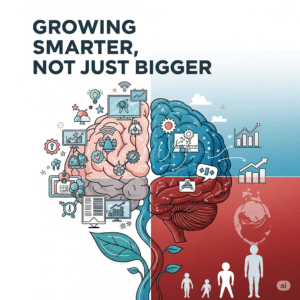
Step 5: Growing Smarter, Not Just Bigger
Growing Smarter, Not Just Bigger
In the beginning, I thought success meant cranking out as much content as possible.
More posts more traffic, right? But I quickly realized that wasn’t the full picture. Quantity means nothing if the quality isn’t there.
As I learned more, I shifted gears and started working smarter—not just harder.
I began using SEO plugins to fine-tune my posts so search engines could understand them better.
I got into keyword research tools that helped me find low-competition phrases—things people were searching for but not many were writing about.
That alone made a big difference in how fast my posts started showing up on Google.
To save time and avoid burnout, I created simple templates for different types of content—like product reviews, tutorials, and list-style posts.
These gave me a clear structure to follow, which made writing quicker and more consistent.
I also started thinking more strategically. Instead of writing random articles, I focused on solving real problems.
I looked at what my audience was struggling with and created content that gave them answers. Then I linked those posts together, so readers had a reason to stick around longer—and Google liked that too.
It wasn’t about publishing five posts a week just to say I did. It was about writing one piece that truly helped someone.
That mindset shift—from “more” to “more meaningful”—changed everything.
Step 6: What Most “Success Stories” Don’t Tell You
Let’s be real: a lot of online success stories sound polished, perfect, and almost too easy. “I made $5,000 in my first month!”
“I built a passive income stream while sipping coffee in Bali!” That’s great for them—but most of us don’t get the full picture.
What they don’t talk about are the late nights spent fixing broken links or rewriting a blog post that just doesn’t flow.
They don’t mention the times you accidentally delete something important or spend three hours trying to figure out why your page won’t load.
They don’t show the quiet weeks when traffic flatlines and you start second-guessing everything.
But those hard parts? That’s where the growth happens.
That’s where you learn how to push through, how to adapt, and how to stop depending on motivation and start relying on discipline.
It’s not glamorous, and it definitely isn’t instant—but it’s real. And it’s how true affiliate income is built.
Affiliate marketing isn’t hard in a technical sense—you don’t need a degree in computers or a background in business.
But it does require patience. It asks you to show up consistently, even when it feels like no one’s listening.
It challenges you to keep learning, to tweak your strategy, and to trust the process—especially when the results aren’t immediate.
No one tells you this part because it’s not flashy. But this is where the real success is born—not in viral blog posts or lucky wins, but in the quiet, persistent work you do behind the scenes.
So if you’re struggling right now, know this: you’re not doing it wrong. You’re just in the part of the story most people skip when they tell theirs. Keep going.
This is where your own version of success starts to take shape.

7. What I Wish I Knew Earlier
🆚 John Crestani’s Super Affiliate System vs. Wealthy Affiliate
| Feature | John Crestani (Super Affiliate System) | Wealthy Affiliate |
|---|---|---|
| Founder | John Crestani | Kyle Loudoun & Carson Lim |
| Type of Training | Video-based course (focus on paid ads) | Step-by-step course (focus on SEO + organic traffic) |
| Beginner-Friendly | Not ideal for total beginners (requires upfront investment in ads) | Yes – very beginner-friendly |
| Cost to Start | Around $997 one-time (may vary with upsells/promos) | Free starter plan, then $49/month or $497/year |
| Main Focus | Affiliate marketing using paid traffic (YouTube, Google Ads, FB Ads) | Affiliate marketing using content, SEO, and long-term growth |
| Tools Included | Done-for-you ads, landing page templates, affiliate network guides | Keyword research tool (Jaaxy Lite), website builder, hosting |
| Website Hosting Included | ❌ No (you’ll need to purchase separately) | ✅ Yes (with SiteRubix + WordPress integration) |
| Email Marketing Training | ✅ Yes, covers autoresponders and funnels | ✅ Yes, but not as advanced unless you go deep into lessons |
| Support and Community | Limited support – mostly self-paced and private FB group | Live chat, community support, expert classes weekly |
| Paid Ads Training | ✅ Strong focus on paid traffic strategies | ⚠️ Limited – mostly teaches free/organic methods |
| SEO & Blogging Training | ❌ Minimal – not the main focus | ✅ Core part of the platform |
| Money-Back Guarantee | ✅ Yes – usually 30-day guarantee (check promo terms) | ✅ 7-day trial for Premium Plus; cancel anytime |
| Ongoing Costs | High (ads + tools not included) | Low – predictable monthly or yearly fee |
| Ideal For | Intermediate marketers willing to spend on ads | Beginners to intermediate bloggers who prefer free traffic |
| Extra Features | Webinars, psychology of selling, copywriting | Weekly live classes, hosting, 24/7 site support |
| Free Trial Option | ❌ No free trial | ✅ Yes – starter plan with no credit card needed |
| Training Style | Fast-paced, mindset-focused, business model overview | Step-by-step, practical implementation |
What I Wish I Knew Earlier Continued
If I could go back and give the beginner version of myself a little pep talk, I’d have a few things to say—things I only truly understood after doing the work, hitting roadblocks, and learning the hard way.
First, I’d say this: Pick one niche and stick with it.
When you’re just starting out, it’s so tempting to chase every “hot” topic or jump to another idea when things feel slow.
But jumping around only stretches your focus and delays your growth. You don’t need a perfect niche—you just need one that you’re willing to stick with and grow into.
Consistency beats constant change, every time.
Next, focus on helping—not selling.
When you write with the heart to serve, people notice. Your content feels more genuine, more trustworthy. Ironically, that’s also what leads to more clicks and commissions in the long run.
Real people don’t want to be “sold to”—they want to be understood. Be the person who gets them.
And seriously, don’t try to be perfect—just be real.
Perfection is paralyzing. I wasted so much time overthinking my writing, my site layout, even which fonts to use. Looking back, none of that really mattered.
What matters is showing up, sharing what you know, and being okay with learning as you go. Your audience doesn’t need you to be perfect—they need you to be honest and helpful.
One of the biggest lessons? Celebrate the small wins.
Getting your first visitor. Publishing your tenth blog post. Receiving that first “thank you” email. Those moments are huge.
Don’t brush them off. They’re proof that you’re making progress, even if it doesn’t feel like it yet.
And finally, don’t compare your beginning to someone else’s middle.
That one’s tough—especially when you see others posting their income reports or talking about how fast their site grew. But the truth is, you’re on your own path.
You’re learning skills they may have spent years mastering. Don’t let comparison steal your focus or your joy. Keep your eyes on your own progress. You’re doing better than you think.
If I had truly understood those five things from the start, I would’ve saved myself a lot of stress.
But maybe that’s part of the journey too—learning it all through experience, and then sharing it so someone else doesn’t have to walk it alone.

Final Thoughts: Your Turn to Get Started
If you’re sitting on the fence, wondering if affiliate marketing is worth your time—I get it.
I really do. I was right there too, reading blog posts, watching videos, trying to figure out if this whole “make money online” thing was legit or just another dead end.
But here’s what I’ve learned: you don’t have to be an expert to begin.
You don’t need all the answers. You don’t even need to know exactly where it’ll take you.
You just need to take that first step.
Pick a topic you care about—even a little. Learn the basics. Write your first helpful article, even if it feels awkward or messy. Publish it anyway. That single action can open doors you don’t even see yet.
Affiliate marketing gave me a way to build something real—something that belongs to me, grows with me, and reflects who I am. It’s not some overnight success formula.
It’s not about fancy strategies or chasing trends. It’s just about showing up, being helpful, and trusting that consistent effort creates results.
This journey has changed how I think about work, money, and freedom. It’s helped me feel more in control of my future—and that’s something no quick-fix scheme could ever offer.
So… if you’re ready to stop watching from the sidelines and start building something of your own, then this is your moment.
Don’t wait for the “perfect time.” There isn’t one. Start with what you’ve got, right now. Keep it simple. Keep it honest. Keep going.
You’ve got this. And I’m cheering for you all the way. 💪
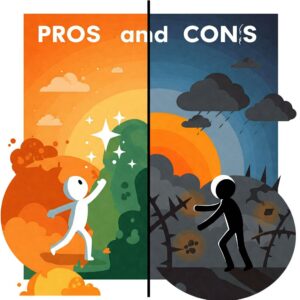
Pros and Cons
😊 Pros of Building Honest Affiliate Income
1. You build trust with your audience.
By focusing on helping, not just selling, you create real value—people are more likely to return, recommend you, and click your links.
2. It’s a business you can grow on your own terms.
You don’t need to chase clients, clock in, or rely on trends. You choose the topic, the pace, and the strategy.
3. It’s low-cost to get started.
All you really need is a domain, hosting, and a willingness to learn. No inventory, no shipping, no customer service headaches.
4. It creates long-term potential.
The content you publish today can keep earning for months—even years—if it stays helpful and relevant.
5. You don’t need to be a tech expert.
With simple tools and step-by-step guidance, anyone can build a site and start creating content—even with zero experience.
😬 Cons of Building Honest Affiliate Income
1. Results take time.
Affiliate marketing isn’t a quick win. It often takes months before you see real traffic or commissions.
2. It’s easy to get discouraged early on.
You’ll publish posts that no one reads (at first). Progress can feel painfully slow if you’re used to instant feedback.
3. There’s a learning curve.
From SEO to content writing to tracking links—there’s a lot to figure out, especially in the beginning.
4. Competition is growing.
Many niches are saturated, so standing out takes effort, creativity, and consistency.
5. Income can be unpredictable.
Affiliate programs can change their rules, lower commissions, or even shut down—so it’s smart not to rely on one source.
FAQ
Q1: What exactly is affiliate marketing?
A: Affiliate marketing is when you promote a product or service through a special tracking link. If someone clicks your link and makes a purchase, you earn a commission—at no extra cost to them. It’s like recommending something you love and getting rewarded for it.
Q2: Do I need a website to start affiliate marketing?
A: Technically, no—you can use social media, YouTube, or email—but having your own website gives you full control, helps you build authority, and increases your chances of long-term success. It becomes your home base where your content can grow and earn over time.
Q3: How long does it take to start earning money with affiliate marketing?
A: It varies. Some people see their first commission within a few months, while others take longer. It depends on how consistent you are, the niche you choose, and how well your content helps your audience. Patience is key—affiliate marketing is a marathon, not a sprint.
Q4: Is affiliate marketing still worth it in 2025?
A: Yes, absolutely—but only if you’re doing it honestly. People are smarter now and trust matters more than ever. If you focus on being helpful and transparent, there’s still plenty of room to grow. The hype might fade, but the value of honest content lasts.
Q5: What if I’m not good at writing?
A: You don’t have to be a professional writer. Just write like you talk. Be real. Be helpful. Tools like spell checkers, grammar apps, and templates can guide you. And the more you write, the better you’ll get. It’s not about perfection—it’s about connection.
Want training that delivers? Check out the detailed review and full walkthrough of the affiliate marketing training platform I owe all my success to! The training is straightforward, affordable, and you can test drive it first to see if it’s a good fit.
Click here to check out my full review!
I would much appreciate it if you could kindly leave your comments and questions below.
Thank You For Stopping By Once More
Thanks for reading my article
Till The Next Time
Elke