

How To Grow Affiliate Income Using Micro Niches (Step-by-Step)
We may earn money or products from the companies mentioned in this post.
How To Grow Affiliate Income from small niches. Learn SEO, content, and conversion moves that turn clicks into steady commissions.
How To Grow Affiliate Income
Hi there! Welcome—this guide shows you how to grow affiliate income by focusing on micro-niches.
You’ll learn a simple plan to target smaller, high-intent topics so you rank faster, earn more, and keep readers coming back.
Why “5 Micro-Niches”?
Big niches are crowded. Going narrow but deep helps you stand out.
When you choose five tight micro-niches around your main topic, you:
- Attract buyers with clear intent, not just browsers.
- Rank for easier, long-tail keywords faster.
- Build authority and trust because your content stays focused.
- Match products to problems without guesswork.
In short, five micro-niches give you a clear structure: one main niche, then five focused lanes where you publish consistent, helpful content and link it together.
What Counts as a Micro-Niche?
A micro-niche is a small, specific slice of a bigger market. Think “collapsible travel water bottles” instead of “travel gear,” or “beginner SEO checklists for Etsy sellers” instead of “SEO.” Smaller topics mean less competition and more targeted clicks.

How the 5-Micro-Niche Plan Grows Your Income
- Faster rankings: Lower competition keywords move quicker.
- Content clusters: Each micro-niche becomes a cluster with one main post and several supporting posts.
- Better conversions: Offers match precise needs, so clicks convert.
- Trust on repeat: Readers see you as the go-to for that specific problem.
- Smart scaling: Once one micro-niche earns, repeat the system in the next.
What This Article Is About (for clarity)
This article explains how to grow affiliate income using a 5-micro-niche strategy, keyword clusters, and high-intent content that leads to higher rankings and conversions.
It’s a practical, step-by-step approach for affiliate marketers who want steady, real results.
1. Pick “Sub-Niches” You Actually Know
Don’t try to cover everything. If your blog audience cares about, say, eco products or minimalism, go deep into zero-waste kitchen affiliate products or sustainable fashion micro-brands.
That helps you speak confidently (which builds trust) and lets you find affiliate programs others miss.

2. Use Keyword “Clusters” Around Buying Questions
- Search terms change. People ask things like:
- “Are solar phone chargers worth it in 2025?”
- “Best collapsible water bottles for travel”
- “Minimalist wallets that ship to Australia”
Build clusters — one main topic, then several smaller posts that tie in. That helps Google see you as the go-to in that micro-niche.
3. Review and Compare 3–7 Products in Each Post
Readers love side-by-side comparisons. Pick 3–7 good affiliate products in your micro-niche. Write pros, cons, best use case.
No fluff — be direct. People want to know what works in real life.
4. Add “Use Cases” & Real Examples
Turn Specs Into Stories That Sell
Readers don’t buy specs. They buy what a product does for their life. So, show it.
Why This Works
- Stories lower risk. People can picture results.
- Use-cases answer real questions before they’re asked.
- Trust goes up. Clicks and conversions follow.

The “Fits Your Life” Review Template
Who It’s For
Name the person and situation.
Example: Remote workers in small apartments; full-time travelers; parents on school runs.
The Problem
State the pain in plain words.
“My phone dies by 3 p.m.” “The fan is loud at night.”
What I Tested In Real Life
Where, when, and how you used it.
“One week on the road, two hotel stays, one 6-hour flight.”
What Changed For Me
Concrete outcomes.
“Saved 20 minutes each morning.” “Battery lasted two days.”
What I Didn’t Like
Be honest.
“Bulky charger.” “Buttons feel soft.” (Honesty builds trust.)
Cost Math
Time or money saved vs. price.
“Pays for itself after three months of daily use.”
Verdict + Who Should Skip
Clear, direct, helpful.

Example: “How It Helps a Full-Time Traveler”
You live out of a carry-on. Power outlets are a gamble. I tested the 20,000 mAh solar power bank on a 5-day trip. It charged my phone four times and my earbuds twice.
Clipped to my backpack, it trickle-charged while I walked. Downsides? It’s heavier than a standard bank and slow on pure solar.
If you fly often or work from airports, it’s worth it. If you need the lightest option, skip this one.
Example: “Why Someone in Adelaide Will Like It”
Adelaide summers get hot and dry. I ran the portable evaporative cooler in a small study during a 37°C afternoon. Setup took five minutes.
It dropped the room temp a few degrees and felt gentler than an AC blast.
Noise was low enough for Zoom calls. You’ll refill the tank every few hours, and it works best with a window cracked. Good pick for renters or home offices.
If you need whole-home cooling, go for a split system instead.
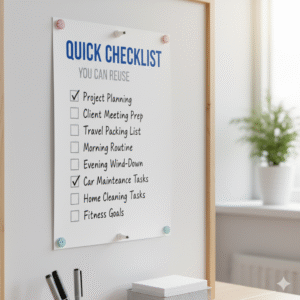
Quick Checklist You Can Reuse
- Lead with a person, not a spec.
- Place the product in a real setting (city, weather, time of day).
- Show before/after: time saved, comfort gained, money kept.
- Admit one or two drawbacks.
- Finish with “Buy if… / Skip if…”
- Add local notes (shipping to SA, warranty, power plugs, climate).
SEO Tip (Keep It Human)
Work phrases readers actually search:
“best [product] for full-time travelers,” “portable fan for Adelaide heat,” “quiet desk cooler for home office.”
Place them in headings and first 100 words, then write naturally.
Simple CTA That Fits
Ready to try it? Check current price and specs, then decide if it fits your day. If it doesn’t, I list two solid alternatives below.
5. Use Evergreen + Trend Content Together
Some posts last forever (like “how to choose a bike light”), while others ride a trend (e-bikes 2025, solar gear).
Mix both. The trend posts get spikes in traffic. The evergreen posts keep bringing in readers long term.
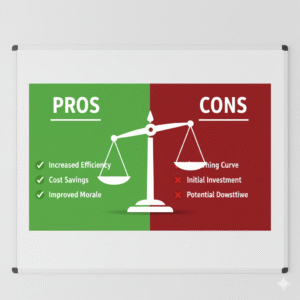
Pros of Micro-Niche Strategy
- Lower competition. Easier to rank for focused topics.
- Clear buyer intent. Readers arrive ready to buy.
- Faster authority. Tight topic clusters build trust.
- Simple planning. Repeatable post types: “best,” “vs,” “review,” “how-to.”
- Better email leads. Subscribers share the same problem.
- Easier testing. Try a few products and scale the winners.
Cons of Micro-Niche Strategy
- Smaller traffic potential. Volume caps out sooner.
- Dependence on one program. A payout change can hurt.
- Trend risk. Interest can fade or shift quickly.
- Fewer natural links. Harder to earn broad backlinks.
- Revenue ceiling. You’ll need adjacent niches to grow.
- Thin-site risk. You must add strong internal links and keep content fresh.
FAQs: How To Grow Affiliate Income Using Micro Niches
What is a micro-niche, and why does it pay?
How do I pick a profitable micro-niche?
What’s the step-by-step content plan to start?
How do I find and choose affiliate programs?
How long until results, and what should I do weekly?
Tip: Keep titles clear, intros tight, and CTAs visible. Link related posts to guide readers toward a buying decision.
Final Thoughts: Start Small, Grow Smart
Why Micro Works
A micro-niche doesn’t box you in. It gives you a clean lane. You rank faster, learn your audience, and see what sells. Once you’re the go-to for one slice, you can step into the next slice with confidence.
How to Expand Without Losing Focus
Grow sideways, not everywhere at once. Pick one related micro-niche at a time. Reuse your winning post formats. Link new posts back to your proven pillar. Keep your brand voice the same so readers feel at home.
Keep It Real, Not Hype
Talk like you would to a friend. Show products you’ve used. Share small wins and honest misses. Add screenshots, quick checklists, and simple comparisons. Trust beats hype every time—and trust is what converts.
What to Track Each Week
Watch clicks, CTR, and conversions. Update one older post. Add two internal links. Test one headline or CTA. Tiny improvements stack up. That’s how steady affiliate income is built.
A Simple 7-Day Action Plan
- Day 1: Pick one micro-niche and list 30 questions buyers ask.
- Day 2: Outline a pillar guide and three support posts.
- Day 3–4: Publish the pillar. Add clear CTAs.
- Day 5–6: Publish two support posts. Interlink everything.
- Day 7: Join two affiliate programs. Add comparison and “best for” angles.
Build Your First Micro-Niche with Wealthy Affiliate
Ready to turn one tight topic into real income? Get step-by-step training, hosting, keyword tools, and community support—all in one place.
Why Wealthy Affiliate Fits This Plan
- Clear lessons that match the micro-niche steps above.
- Jaaxy keyword research to find buyer terms fast.
- Site hosting and tools so you publish without tech stress.
- A helpful community and mentors when you get stuck.
- Action checklists to keep you moving each week.
Thank you for reading, and we hope you find the insights valuable and thought-provoking.
I would much appreciate it if you could kindly leave your comments and questions below or you can use the contact form.
Thank You For Stopping By Once More
Till The Next Time
Elke