
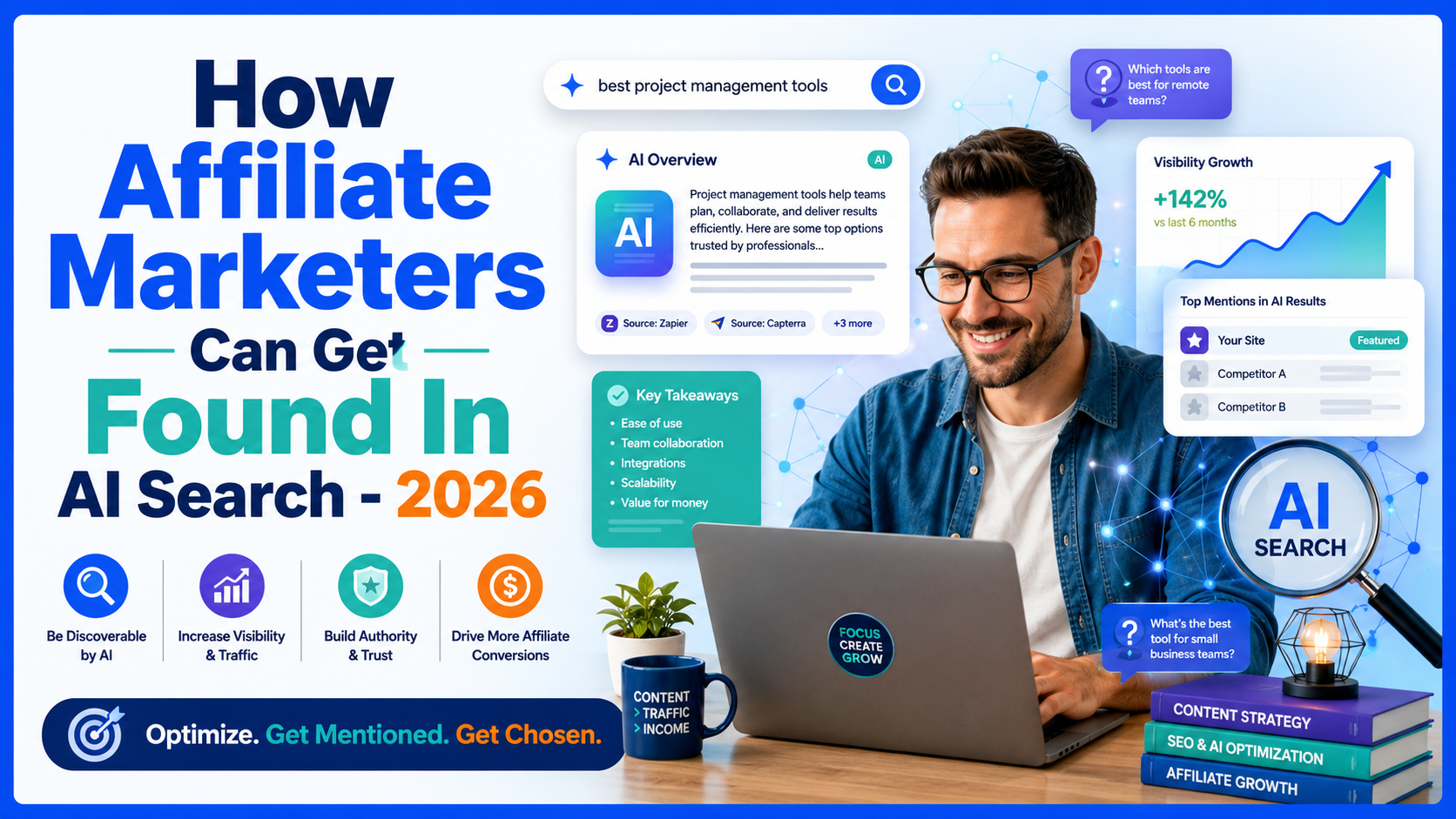
How Affiliate Marketers Can Get Found In AI Search – 2026
We may earn money or products from the companies mentioned in this post.
Updated August 2026
How Affiliate Marketers Can Get Found
Affiliate marketers can still get found online, even with AI search changing the way people discover information.
The key is to create content that answers real questions, builds trust, and gives readers clear help before asking them to click an affiliate link.
In 2026 and beyond, helpful content, personal experience, and honest recommendations will matter more than quick sales talk.
Affiliate marketing is changing fast, and AI search is one of the biggest reasons why.
A few years ago, most people typed a question into Google, scanned the search results, and clicked on a website.
Today, many searches now show AI-generated answers at the top of the page. Google AI Overviews and AI Mode can pull information from different websites and give users a quick summary before they even click anything.
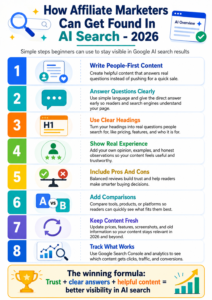
So, where does that leave affiliate marketers?
The answer is simple but important. Affiliate marketers can still get found, but thin content will struggle. If your article only repeats product features and pushes people toward an affiliate link, it may not be enough anymore.
AI search rewards helpful, clear, trustworthy content. That is good news for beginners who are willing to write useful articles instead of chasing quick tricks.
What Is AI Search?
AI search is a search experience where artificial intelligence helps answer a user’s question more directly.
Instead of only showing a list of blue links, AI search may summarize the answer, suggest follow-up questions, and show links to useful sources.
Google says its AI features, including AI Overviews and AI Mode, are built to help users explore information and find helpful content from across the web.
Google also says there are no special technical requirements for appearing in AI features beyond following normal Google Search guidance and making your content accessible to Google. (Google for Developers)
That means you do not need a secret AI formula.
You need strong content that Google can understand and readers can trust.
Why AI Search Matters For Affiliate Marketers
Affiliate marketing is not going away. In fact, industry estimates show the affiliate marketing space is still growing.
One 2026 report estimates the global affiliate market may grow from $27.8 billion in 2024 to $48 billion by 2027.
Another report estimates the industry could reach $31.7 billion by 2031. These numbers vary by source, but the bigger point is clear: businesses still value affiliate marketing because they only pay when results happen. (FirstPromoter)
But the way people find affiliate content is changing.
Readers are not only looking for “best product” lists anymore. They want fast answers, honest comparisons, real examples, and simple explanations.
AI search tools are designed to pull together useful information quickly, so your content needs to be clear enough to stand out.
This is where many beginners have an advantage.
You do not need to sound like a big company. You need to sound helpful, honest, and easy to understand.
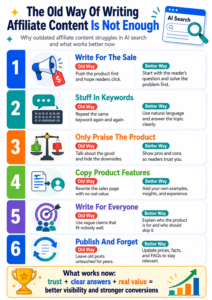
The Old Way Of Writing Affiliate Content Is Not Enough
The old style of affiliate content often looked like this:
- Write a product review.
- List the features.
- Say everything is great.
- Add affiliate links.
- Hope someone buys.
- That approach is getting weaker.
Readers are smarter now. Google is smarter too. If your content does not help someone make a real decision, it will be harder to build trust.
A good affiliate article should answer the questions people actually have before they buy.
For example:
- Is this product worth the money?
- Who is it best for?
- Who should avoid it?
- What are the pros and cons?
- Are there better options?
- What should beginners know before signing up?
When you answer these questions clearly, your article becomes more helpful. That gives both readers and search engines a better reason to value your content.
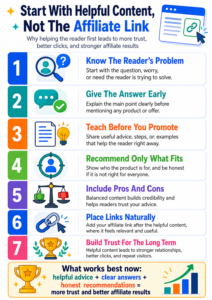
Start With Helpful Content, Not The Affiliate Link
This is one of the most important rules for AI search.
- Do not start with the sale. Start with the reader’s problem.
- Before you write any affiliate article, ask yourself:
- What is my reader worried about?
- What are they trying to understand?
- What mistake are they trying to avoid?
- What would help them make a better decision?
For example, if someone searches for an affiliate marketing platform, they may not only want a review. They may want to know whether they need a website, how much it costs, whether beginners can use it, and whether it includes training.
That is why helpful content wins.
Google’s own guidance says its systems aim to reward helpful, reliable, people-first content, not content made mainly to manipulate rankings. (Google for Developers)
That matters even more in AI search because AI-generated answers need clear, useful information to work with.
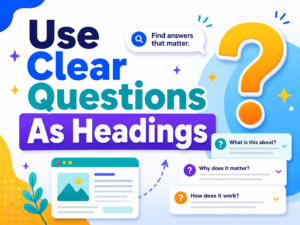
Use Clear Questions As Headings
Question-based headings are powerful because they match how people search.
Instead of writing a plain heading like:
“Product Features”
Write:
“What Features Should Beginners Look For?”
Instead of:
“Pricing”
Write:
“How Much Does It Cost?”
Instead of:
“Overview”
Write:
“Is This Tool Good For New Affiliate Marketers?”
This makes your content easier to scan. It also helps Google understand what each section answers.
Think of every heading as a small promise. Your job is to answer that promise clearly underneath it.
Give The Direct Answer First
Many writers make the mistake of taking too long to get to the point.
In AI search, clear answers matter.
If someone asks, “Can affiliate marketers still get found in AI search?” answer it early.
You could write:
Yes, affiliate marketers can still get found in AI search, but their content must be helpful, specific, trustworthy, and easy to understand.
Then explain the details.
This works because readers get the answer fast. If they want more detail, they keep reading. If Google is trying to understand your page, the meaning is clear.
Add Your Own Experience
AI can summarize general information. But it cannot replace your personal experience.
That is where affiliate marketers can stand out.
If you have used a tool, say what you liked, what confused you, and who you think it suits best. If you have tested a platform, explain what the setup felt like. If you are writing for beginners, include the small details that a beginner would actually care about.
For example:
- Was the dashboard easy to understand?
- Did the training explain things clearly?
- Was support easy to find?
- Did the free version offer enough value?
- Were there hidden costs?
- Would you recommend it to a complete beginner?
This kind of information is useful because it goes beyond a basic product description.
Google has also said that AI-generated content is not automatically bad, but content should be original, high quality, and created for people first. (Google for Developers)
That means you can use AI to help with ideas or structure, but your own judgment still matters.
Build Trust With Honest Pros And Cons
Affiliate marketers sometimes worry that listing cons will hurt sales.
It usually does the opposite.
When you share both the good and the bad, readers trust you more. Nobody believes that every product is perfect. If your review only praises the product, it may feel like a sales page.
A simple pros and cons section can make your article stronger.
Pros and Cons: Add Your Own Experience
Sharing your own experience helps your readers understand what really happened, what worked, and what they should think about before making a decision.
Pros
- Builds trust: Readers feel more confident when you share what you personally tried.
- Makes your content unique: Your experience cannot be copied by everyone else.
- Helps beginners relate: Real examples make the topic easier to understand.
- Improves buying decisions: Readers can see what worked, what did not, and why.
- Adds more value: Your article becomes more than a basic product summary.
Cons
- Takes more time: You may need to test the product or research it properly.
- Requires honesty: You should mention problems, not only the good parts.
- Can feel personal: Some writers may feel unsure about sharing their opinion.
- Needs updating: Your experience may change if the product or platform changes.
- Not every reader agrees: Your experience may not match everyone else’s results.
Explain Who The Product Is For
This is a simple section many affiliate marketers forget.
Not every product is right for every person.
When you clearly explain who a product is for, your content becomes more useful.
For example:
“This platform may suit beginners who want training, website tools, and support in one place.”
That is much stronger than saying:
“This is the best platform for everyone.”
Also include who should skip it.
For example:
“This may not suit someone who wants instant income without learning the basics.”
That kind of honesty protects your reader and builds your credibility.
Use Comparison Sections
AI search often helps users compare options. That means comparison content is useful for affiliate marketers.
You do not always need a full comparison article. You can add a small comparison section inside a normal blog post.
For example:
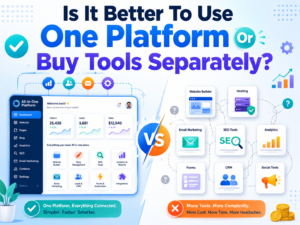
Is It Better To Use One Platform Or Buy Tools Separately?
Some beginners prefer an all-in-one platform because training, hosting, tools, and support are in one place. Others may prefer buying separate tools if they already understand WordPress, hosting, SEO, and email marketing.
For a complete beginner, an all-in-one platform may feel easier. For someone with more experience, separate tools may offer more control.
This gives readers a clearer picture. It also helps your article cover the topic more fully.
Make Your Affiliate Disclosure Easy To See
Affiliate disclosures are not optional.
If you may earn money from a link, your reader should know that before they click. The FTC says material connections between an endorser and a seller should be disclosed clearly when that connection could affect how people judge the recommendation. (Federal Trade Commission)
A simple disclosure is enough for most blog posts.
You could say:
Affiliate disclosure: This article may contain affiliate links. If you buy through my link, I may earn a commission at no extra cost to you.
Place it near the top of your article, not hidden at the bottom.
This builds trust and keeps your content more transparent.
Keep Your Content Easy To Read
AI search and human readers both benefit from clear writing.
That does not mean your article has to be boring. It means your ideas should be easy to follow.
- Use short paragraphs.
- Use helpful headings.
- Explain one idea at a time.
- Avoid complicated words when simple words work better.
- Use examples where possible.
- Do not stuff keywords into every sentence.
- Your content should feel like a helpful person explaining the topic clearly.
That style works well for beginners because they are often already confused. Your job is to make the topic easier, not harder.
Update Your Affiliate Content Regularly
Affiliate content can become outdated quickly.
Prices change. Free trials change. Product features change. Commission rates change. Google search results change.
If your article still says “best tool for 2024” in 2026, readers may not trust it.
- A good update routine can help.
- Every few months, check your important articles and ask:
- Is the information still correct?
- Are the prices still current?
- Do the links still work?
- Can I add a better FAQ section?
- Can I improve the introduction?
- Can I add a better comparison?
- Can I include new questions from Google Search Console?
- Small updates can keep an article alive for much longer.
Use FAQs To Capture More Search Intent
FAQ sections are great for AI search because they answer direct questions.
For this topic, you could include questions like:
Can Affiliate Marketers Still Get Traffic From Google?
Yes, affiliate marketers can still get traffic from Google, but the content needs to be helpful, original, and clear. Thin product reviews are less likely to stand out.
Does AI Search Hurt Affiliate Marketing?
AI search may reduce clicks for some basic searches, but it can also help strong content get discovered. The key is to create content people want to read beyond a quick summary.
Should Beginners Still Start Affiliate Marketing In 2026?
Yes, beginners can still start affiliate marketing in 2026, but they should focus on trust, useful content, and realistic expectations.
Can I Use AI To Write Affiliate Content?
You can use AI to help plan, outline, and improve content. But you should add your own experience, examples, and judgment so the article does not sound generic.
FAQ: Getting Found In AI Search As An Affiliate Marketer
AI search is changing how people find answers online. These quick questions will help you understand what matters most and how to make your affiliate content easier to find, read, and trust.
AI search means search engines can now give people faster answers using AI-generated summaries, AI Overviews, and helpful source links. For affiliate marketers, this means your content needs to be clear, useful, trustworthy, and written for real people first.
Yes, affiliate marketers can still get traffic from Google in 2026. But thin content that only pushes products may struggle. Helpful content that answers real questions, shares honest experience, and gives clear advice has a much better chance of standing out.
Start with the reader’s problem. Give the answer early, use clear question-based headings, add your own experience, include pros and cons, and keep your content updated. This helps both readers and search engines understand the value of your article.
Write for people first, then use keywords naturally. Keywords still matter, but repeating the same phrase over and over does not help your reader. A better approach is to answer the full topic in plain English and use related terms where they fit.
Clear questions make your article easier to scan and understand. They also match how people search online. Headings like “Is this tool worth it?” or “Who is this product best for?” help readers find answers fast.
Your own experience makes your content more unique and trustworthy. AI can summarize general information, but it cannot replace your personal opinion, real examples, lessons learned, or honest observations.
Yes. Pros and cons make your content feel more balanced. Readers know no product is perfect, so showing both sides can build trust and help them make a smarter buying decision.
It depends on the person. One platform may be easier for beginners because everything is in one place. Separate tools can give more control, but they may also cost more and take longer to manage. Beginners should choose the option that feels simple, affordable, and realistic.
Place affiliate links after you have helped the reader understand the topic. The link should feel natural, useful, and relevant. Do not make the whole article feel like one long sales pitch.
The best way is to create content that gives clear answers, shows real experience, builds trust, and solves a real problem. Helpful advice, honest recommendations, and fresh information can help your content stay useful in 2026 and beyond.
Ready To Build Your Affiliate Website The Right Way?
If you want to create helpful content, learn SEO, and build an affiliate website with step-by-step training, Wealthy Affiliate is a beginner-friendly place to start.
Start Building Your Affiliate Website TodayFree starter option available. No pressure, just a simple way to see if it suits you.
Final Thoughts
AI search is changing how people find information online, but it does not remove the need for helpful, honest affiliate content. If anything, it makes trust even more important.
The more clearly you answer your reader’s questions, share your own experience, and recommend products with care, the better chance you have of standing out in 2026 and beyond.
Thank you for stopping by and reading. I hope this article helped you see how affiliate marketers can still get found in AI search without using hype or pushy sales tactics.
Do you have a question or thought to add? Feel free to leave a comment below, or use my contact form if you prefer to reach out directly.
Until next time,
Elke 😀
This was a very informative article on how affiliate marketers can improve their visibility and build a stronger online presence. I especially appreciated the focus on consistent content creation and building credibility over time, since those seem to be some of the most important factors for long-term success. From my experience, many beginners underestimate how much patience and consistency are required before seeing meaningful traffic or conversions.
One question I had while reading is whether you think newer affiliate marketers should focus primarily on one platform in the beginning such as blogging, YouTube, or social media or try to build a presence across multiple channels from the start. Thank you for sharing these practical insights and strategies.
Hi Iyere
Thank you so much for taking the time to read and leave such a lovely comment — I really do appreciate it!
You hit the nail on the head. Patience and consistency are everything in this business. I won’t sugarcoat it — it takes time. But if you keep showing up and keep creating, the results do come.
Now your question is one I get asked a lot — and I love it! Here’s what I truly believe from my own experience. Start with one platform. Just one. Give it your full attention and learn it well before you even think about adding another channel.
For me, blogging was the foundation I built everything on. A well-written blog post can keep bringing in readers for years. That’s the beauty of it. Social media moves fast and content disappears quickly. YouTube is wonderful but it’s a big commitment on top of everything else you’re already learning.
Get your blog working for you first. Build your content, grow your audience, and find your voice. Then when you feel ready — and you’ll know when that is — start adding other platforms one at a time.
I always say — do one thing well rather than ten things poorly. That’s how real growth happens.
Thank you again for being here. Comments like yours truly make my day!
Until next time,
Elke ????