

How to Build an Affiliate Website and Write Content That Converts
We may earn money or products from the companies mentioned in this post.
Updated on the 10 May 2026
Learn how to build an affiliate website step-by-step. Discover how to choose a niche, write content that converts, and turn your site into steady income.
How to Build an Affiliate Website
Reviews That Readers Trust
Your website is your home base. Social media can send traffic, but you don’t own it. Here’s where trust grows, content lives, and sales happen.
If you want to build an affiliate website that ranks and converts, write product reviews like a real user. Say what works, what doesn’t, and who should skip it.
Show a quick test or screenshot. List pros and cons. Add price, key features, and one clear next step. Include a short disclosure so readers know you’re honest.
Keep pages fast, easy to read, and well-organized. That’s how Google understands your topic—and how visitors turn into buyers.

Why Your Website Matters More Than Social Media
Platforms change. Algorithms shift. A website gives you control. You own your content, your layout, your opt-ins, and your links.
It’s the one place you can build long-term authority and sell without fighting a feed.
Build on Solid Foundations
Pick the Right Domain and Hosting
Choose a short, memorable domain that matches your niche. Use reliable hosting with solid uptime and quick support. Speed and stability are not “nice to have”—they’re table stakes.
Choose a Simple Stack
Use WordPress with a lightweight, well-supported theme. Keep your plugin list lean. Too many plugins slow you down and break things.
Must-Have Plugins (Keep It Minimal)
- SEO plugin: control titles, metas, schema basics.
- Link manager: organize and track affiliate links.
- Caching + image optimization: boost speed without headaches.
- Backup + security: protect your work and sleep better.
Plan Your Site Structure
Think in clusters: one pillar page and several supporting posts around it. This helps readers and search engines understand your topics.
Keep categories clear and avoid dumping everything into “Uncategorized.”

Essentials of a Strong Affiliate Website
Clean, Fast Design
No one waits for a slow site. Keep pages light, images compressed, and scripts under control.
- Use modern image formats.
- Limit custom fonts.
- Avoid heavy sliders and auto-playing videos.
- Test with PageSpeed Insights and fix the big issues first.
Mobile-Friendly by Default
Most readers are on phones. Make sure text is readable, buttons are easy to tap, and layouts don’t break on small screens. Test on your own phone and a friend’s.
Simple Navigation
If visitors can’t find your best content in two clicks, it’s buried.
- Clear top menu with your main topics.
- Breadcrumbs to show where people are.
- A prominent search bar.
- Logical categories and tags (less is more).
Trust Pages That Build Confidence
Add an easy-to-find About, Contact, Privacy Policy, and Affiliate Disclosure. If you write reviews, include a short “How We Review” page. Transparency earns clicks.
Accessibility Basics
Use proper heading levels, descriptive alt text, and strong color contrast. Accessible sites are easier to read and rank better over time.

Create Content That Converts
Help first. Sell second. Your best content removes confusion, compares good options, and shows real outcomes.
Go beyond features.
Cover:
- Who it’s for (and who should skip it)
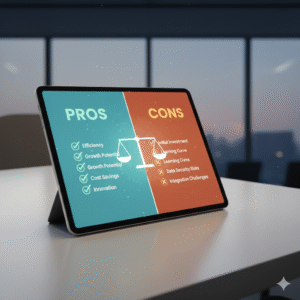
- Pros and cons
- Pricing, plans, and refunds
- Setup steps and learning curve
- Real alternatives
- Your verdict with a clear next step
Add a quick summary box at the top for skimmers. End with a “Best for…” recap and a button that matches intent.
Comparison Posts That Speed Up Decisions
Readers searching “A vs B” are close to buying.
Show:
- Criteria that matter (price, features, ease of use, support)
- Side-by-side table
- Best pick by use case (“Best budget,” “Best for beginners,” “Best for teams”)
- A one-sentence verdict and the right link
How-To Guides That Naturally Sell
Teach one clear outcome. Break steps into short actions. Add screenshots or simple diagrams. Link only to tools that actually help complete the task. The sale becomes the solution.
Lists and Resource Hubs That Get Bookmarked
“Top 10” posts work when they are curated, not copied. Tell readers why each pick made the list and who it suits. Update these posts often and note the last updated date near the top.
Bonus Formats That Build Authority
- Case studies: show what happened, not just what you think.
- Mistakes to avoid: readers love shortcuts around pain.
- Buyer’s guides: what matters before buying and common traps.

Write for People, Then Tune for SEO
Talk like a helpful friend. Keep sentences short. Use everyday words. Once your draft is clear, polish it for search.
On-Page SEO Without Killing Your Voice
- One primary keyword that matches intent.
- Natural secondary phrases where they fit.
- A clear H1, scannable H2/H3 headings.
- Descriptive meta title and meta description.
- Short, readable URL slug.
- Relevant internal links to pillar and supporting posts.
- Alt text that explains each image’s purpose.
Mark up FAQs or reviews with your SEO plugin if it’s stable; avoid messy custom code.
E-E-A-T Signals That Matter
Add an author bio, show real experience, cite credible sources, and explain your testing process. These small touches separate you from generic content.
Conversion Basics You Can Trust
Place CTAs Where Decisions Happen
Use one primary CTA per section: top (summary), middle (after proof), and bottom (final decision).
Keep button text specific:
- “Start Free Trial”
- “Compare Plans”
- “See Today’s Price”
- “Download the Checklist”
Handle Links the Right Way
Always disclose affiliate relationships. Mark links as rel=”sponsored”. Use a consistent short link format from your link manager. Label links clearly so readers know where they go.
Use Visual Aids That Reduce Friction
Feature tables, pros/cons boxes, and mini checklists help readers act. Keep them simple and fast to read.
Site Speed and UX: Quick Wins
- Move to quality hosting if your TTFB is slow.
- Turn on caching and image compression.
- Defer non-critical scripts.
- Remove plugins you don’t use.
- Monitor a few key pages monthly.

Analytics and Improvement
Track What Matters
- Top landing pages
- Click-through on affiliate links
- Conversions by post and by button placement
- Time on page and bounce rate (directional, not absolute truth)
- Use a link manager for click data and Search Console for impressions and rankings.
Refresh to Keep Rankings
Update price changes, screenshots, and new features. Add better examples. Improve the headline if CTR lags. A refreshed post often lifts faster than a new one.
A Simple 30-Day Launch Plan
- Week 1: Set up hosting, theme, core plugins, and trust pages.
- Week 2: Publish your pillar page and one detailed review.
- Week 3: Add a comparison post and one how-to guide.
- Week 4: Publish a “Best of” list and a buyer’s guide. Internally link everything, add
- CTAs, and request one or two relevant backlinks.
Common Mistakes and Easy Fixes
- Slow site: trim plugins, compress images, improve hosting.
- Thin content: add use cases, screenshots, tables, and real tests.
- No disclosure: add a clear note near the first affiliate link.
- Too many CTAs: one primary action per section.
- No internal links: connect posts so readers always have a next step.
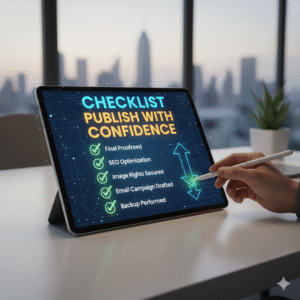
Checklist: Publish With Confidence
- Fast, mobile-friendly page
- Clear headline that matches search intent
- Scannable sections and short paragraphs
- Honest pros/cons and “who it’s for”
- One primary CTA and two supportive placements
- Internal links to pillar and related posts
- Disclosure and contact options visible
What to Write Next
- A second comparison covering a major alternative in your niche
- A “mistakes to avoid” post that saves readers time and money
- A deep “setup guide” that uses your top affiliate tools
- A resource hub that links out to your best evergreen posts
Quick FAQ
Your Next Move to Win
You’ve got a clear guide. Now act.
- Write down three real questions your audience is asking today.
- Pick one question. Promise one result in a single sentence.
- Outline 5–7 short sections (H2/H3). Problem → steps → example → call to action.
- Draft ~1,000 words. Keep it simple. Use plain talk.
- Add proof. A screenshot, a mini case study, or a quick test you ran.
- Do a fast SEO pass: keyword in title, intro, one subhead, URL slug, meta description, internal links, and a clear button.
- Publish. Then share it with your list or community.
Set a 48-hour deadline. Put the next two questions on your calendar as upcoming posts.
Ask yourself: Who did I help today? What will I publish next? How will I make it clearer and faster for your readers?
Want a Complete System in One Place?
If you want training, hosting, and support under one roof, I recommend the platform I use.
👉Join Wealthy Affiliate and get step-by-step training, websites, tools, and community support:

Wrap-Up
A high-converting affiliate site is not about tricks. It’s about clarity, speed, trust, and content that solves real problems.
Keep your setup simple. Write for people. Tune for search.
Track results. Improve a little every week. That’s how you turn readers into buyers—and a website into a real business.
Thank you for reading, and we hope you find the insights valuable and thought-provoking.
I would much appreciate it if you could kindly leave your comments and questions below or you can use the contact form.
Thank You For Stopping By Once More
Till The Next Time
Elke
😀
Excellent breakdown, Elke, this is one of the clearest guides I’ve seen on how to build a site that truly converts. As an 11-year member of Wealthy Affiliate, I can personally confirm that everything you’ve outlined here is exactly what WA teaches step-by-step, from choosing a niche to structuring content and tracking performance.
The part about helping first, selling second really resonated with me. That mindset alone separates those who succeed long-term from those who burn out chasing shortcuts. Wealthy Affiliate provides the perfect environment to develop those skills through real training, tools, and community support.
Thanks for creating something this practical and honest — it’s refreshing to see content that focuses on real affiliate education instead of hype. Keep up the great work!
Jason (11-Year Member of Wealthy Affiliate)
Hi Jason,
Thanks so much for this—it means a lot, especially coming from an 11-year Wealthy Affiliate member. I’m glad the “help first, sell second” mindset stood out. That’s the core of how I write and build.
WA’s step-by-step approach is exactly what shaped this guide: choose a niche, structure content, track what’s working, and keep improving. If you spot anything I should add or sharpen, I’m all ears.
Quick question: what’s the one habit you’d tell a new member to build in week one?
Appreciate the encouragement—and your long-time support of the WA community.
Elke
Creating a profitable affiliate website is about providing value, staying organised, and being patient. Your website is your base for building trust, so focus on a specific niche, write useful content like reviews and guides, and make it easy to navigate. Optimise for search engines, use clear calls-to-action, monitor results, and refresh content as needed. Though growth is gradual, a well-maintained site can earn a steady income, establish your expertise, and expand over time.
Keep up the good work!
S.J
You’ve summed it up perfectly.
A profitable affiliate site really does come down to value, focus, and patience. Treat your website as your home base: stick to a clear niche, publish honest reviews and helpful guides, keep things easy to navigate, and use simple SEO and clear calls-to-action.
Growth can feel slow, but a tidy, well-maintained site has a great chance of earning steadily over time.
You’re on the right track—keep going!
Elke
Elke, this guide strips away so much confusion. I learned the hard way that a website really is your home base, especially when social platforms change the rules overnight. Your focus on simple stacks, fast pages, and honest reviews matches what finally started working for me after years of trying to write “clever” content that did not convert. The breakdown of review posts, comparisons, and how-to guides gave me a clearer picture of what a real affiliate site should look like week after week.
I have a site with dozens of older posts that are thin, slow, and poorly structured. In your experience, is it better to prune and rebuild from the ground up, or to keep publishing new content while slowly fixing what is already live?
Hi John
Thank you so much for this – you’ve described exactly what I was hoping this guide would do. ????
On your question about old posts: in most cases, I wouldn’t wipe everything and start again. A simple mix usually works best:
Keep publishing new, strong content (even just 1 post a week).
Each week, improve one existing post that has some impressions or clicks.
Only prune or merge posts that are very thin, off-topic, or going nowhere.
That way you keep your site moving forward while quietly cleaning up the past, instead of getting stuck in “rebuild mode” for months.
Elke